
The Role of Diesel Emissions Tech in Modern Environmental Monitoring
Diesel engines power a significant portion of the global transportation and industrial sectors. However, their emissions contribute substantially to air pollution, affecting public health and the environment. To address these challenges, advanced technologies have emerged to effectively monitor and control diesel emissions. Among these, diesel emissions remote sensing technology plays a pivotal role in providing accurate, real-time data on vehicle emissions without disrupting traffic flow or requiring physical inspections.
Understanding Diesel Emissions Tech and Its Importance
Diesel emissions technology encompasses a range of tools and methods for detecting, measuring, and analyzing pollutants emitted by diesel engines. These pollutants include nitrogen oxides (NOx), particulate matter (PM), carbon monoxide (CO), and hydrocarbons (HC), all of which adversely affect air quality and human health.
Governments and environmental agencies rely on diesel emissions tech to:
Identify high-emitting vehicles that contribute disproportionately to pollution.
Enforce emissions standards by providing objective data.
Develop targeted policies to reduce emissions in urban and industrial areas.
Monitor air quality trends over time to assess the effectiveness of regulations.
One of the most innovative advancements in this field is the use of remote sensing technology, which allows for non-intrusive, rapid measurement of emissions from moving vehicles.
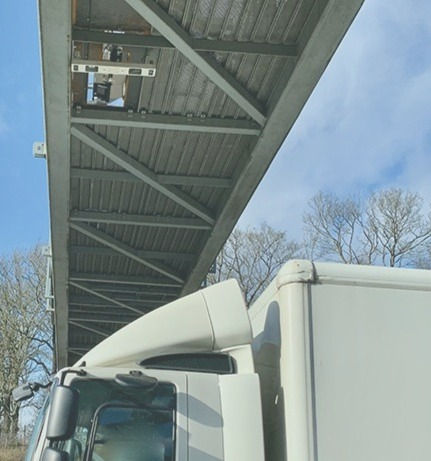
How Diesel Emissions Remote Sensing Works
Remote sensing technology uses infrared lasers to measure pollutant concentrations in the exhaust plumes of passing vehicles. Sensors are typically installed on roadways or bridges, capturing emissions data as vehicles drive by at normal speeds. This method offers several advantages:
Non-invasive data collection: No need to stop vehicles or conduct manual inspections.
High throughput: Thousands of vehicles can be monitored daily.
Real-world conditions: Emissions are measured during actual driving, reflecting true operating conditions.
Cost-effectiveness: Reduces the need for expensive and time-consuming laboratory testing.
The data collected include pollutant concentrations and vehicle speed, which are then analyzed to estimate emission rates. This information helps identify vehicles that exceed emissions limits and supports enforcement actions or maintenance recommendations.

Applications of Diesel Emissions Tech in Policy and Regulation
The integration of diesel emissions tech into environmental monitoring programs has transformed how agencies approach air quality management. Key applications include:
Fleet Compliance Monitoring
Authorities can monitor entire fleets, such as public transit buses or commercial trucks, to ensure compliance with emissions standards. This approach helps prioritize inspections and maintenance efforts.
Urban Air Quality Improvement
By identifying pollution hotspots and high-emitting vehicles, cities can implement targeted interventions such as low-emission zones or retrofit programs.
Data-Driven Policy Making
Real-world emissions data supports the development of evidence-based policies. For example, setting stricter emissions limits or incentivizing cleaner technologies.
Public Transparency and Reporting
Providing accessible emissions data fosters public awareness and accountability among vehicle operators.
Research and Development
Continuous data collection aids in evaluating the effectiveness of new diesel technologies and fuels.
Future Directions in Diesel Emissions Tech and Environmental Impact
The evolution of diesel emissions tech continues to accelerate, driven by advances in sensor technology, data analytics, and connectivity. Emerging trends include:
Integration with Smart City Infrastructure
Linking emissions monitoring with traffic management and air quality sensors to create comprehensive environmental intelligence systems.
Machine Learning and Predictive Analytics
Using artificial intelligence to predict emissions trends and identify potential non-compliant vehicles proactively.
Expansion to Other Pollutants and Vehicle Types
Extending remote sensing capabilities to monitor gasoline engines, electric vehicle emissions (indirectly), and non-exhaust pollutants.
Global Deployment and Standardization
Promoting international cooperation to harmonize emissions monitoring protocols and share data for global air quality improvement.
By embracing these innovations, environmental agencies can enhance their ability to protect public health and meet climate goals.
Enhancing Air Quality Through Advanced Emissions Monitoring
The deployment of advanced diesel emissions technology, particularly remote sensing, represents a critical step forward in environmental management. This technology enables continuous, accurate, and efficient monitoring of vehicle emissions, empowering decision-makers to implement effective policies and interventions.
To maximize the benefits of diesel emissions tech, agencies should:
Invest in reliable remote sensing infrastructure.
Develop comprehensive data integration and analysis platforms.
Establish clear regulatory frameworks that support data-driven enforcement.
Engage stakeholders to promote compliance and public awareness.
Continuously evaluate and update monitoring strategies in response to technological advancements.
Through these actions, cities and governments can significantly reduce diesel-related air pollution, improving health outcomes and environmental sustainability.
By leveraging cutting-edge diesel emissions tech, we can transform how emissions are monitored and controlled, paving the way for cleaner air and healthier communities worldwide.
Comments